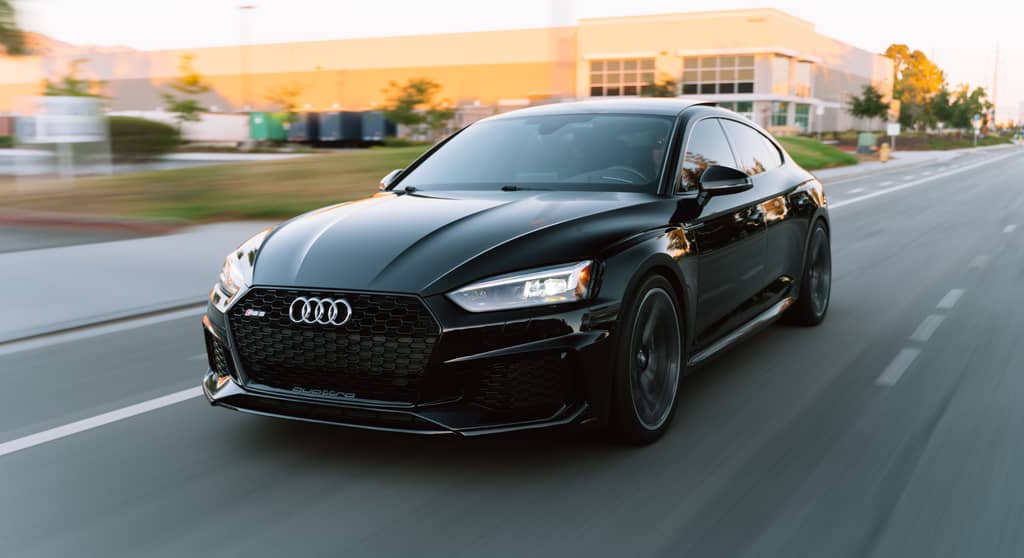
When people think about supercars, they focus on the numbers, horsepower, top speed, acceleration times, and engine size. While these figures are impressive, they only tell part of the story. The real magic of a supercar lies in how it makes the driver feel. Whether you are behind the wheel of a Ferrari, Lamborghini, McLaren, or Porsche, the experience is dramatically different from driving a standard vehicle. But why does a supercar feel so unique? The answer is a fascinating combination of engineering, physics, psychology, and sensory stimulation. Understanding the science behind speed helps explain why driving a supercar is often described as unforgettable.
A Power to Weight Advantage
One of the biggest differences between a supercar and a regular vehicle is the power-to-weight ratio. Supercars are designed to produce immense power while keeping weight to a minimum by using advanced materials such as carbon fiber, aluminum, and lightweight composites. This combination allows the car to accelerate at astonishing rates. Many modern supercars can go from 0-100km/hr in under three seconds.
When a driver experiences this level of acceleration, the body is pushed back into the seat due to G-force. This sensation creates an adrenaline rush that few other experiences can match.
Precision Engineering at Every Level
Speed alone does not make a supercar special. What truly sets these vehicles apart in their precision. Every component is engineered for performance. The steering is sharper, the suspension is more responsive, and the braking systems are designed to handle extreme speeds with confidence. When driving a supercar, even the smallest steering input produces an immediate reaction. The vehicle feels alive, responding to every movement with remarkable accuracy. This responsiveness gives drivers a greater sense of control and engagement.
Aerodynamics: The Invisible Force
At high speeds, air becomes one of the most important factors affecting vehicle performance. Supercar manufacturers spend countless hours refining aerodynamic designs to maximize efficiency and stability. Large air intakes, rear diffusers, active spoilers, and sculpted bodywork are not just visual elements. They help manage airflow around the vehicle, generating downforce that keeps the car firmly planted on the road. This aerodynamic stability creates a feeling of confidence even at speeds where ordinary vehicles might feel unsettled. Drivers experience smoother handling, better grip, and increased control, making the car feel capable and secure.
The Psychology of Performance
The supercar experience is not only physical—it's deeply psychological.
Studies have shown that novelty, excitement, and high performance trigger the release of dopamine, a neurotransmitter associated with pleasure and reward. Driving a supercar activates these responses because it combines speed, skill, luxury, and exclusivity.
The driver’s brain becomes highly engaged. Every sound, movement, and visual cue demands attention. The heightened awareness creates what psychologists often call a “flow state," where individuals become fully immersed in an activity.
The Sound of Performance
Sound plays a crucial role in how speed is perceived.
A naturally aspirated V10 or V12 engine produces a soundtrack that is impossible to replicate in an ordinary vehicle. Even turbocharged supercars are carefully engineered to deliver an exciting auditory experience.
Low Driving Position, Higher Excitement
Another reason supercars feel different is their driving position. Most supercars place drivers much lower to the ground compared to standard sedans or SUVs. This lower seating position changes the driver’s perspective and increases the perception of speed.
Conclusion:
Driving a supercar is about much more than speed. It is a carefully engineered experience that combines physics, aerodynamics, technology, and psychology to create something truly unique.